
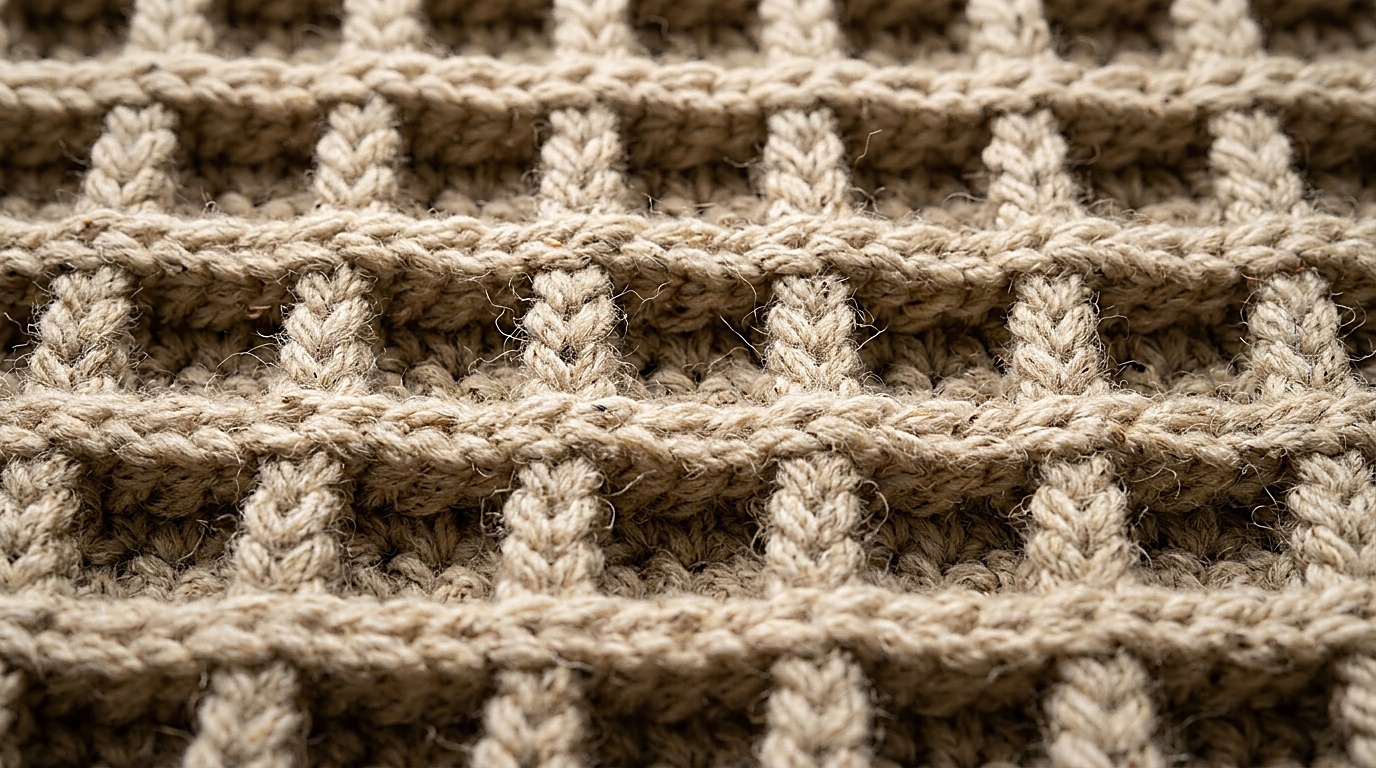
Few crochet stitches create a more deeply satisfying, squishy tactile grid than the classic waffle stitch. When worked in a plump chunky weight yarn, the raised architectural ridges form three-dimensional square thermal pockets that trap warmth like an authentic down quilt while draping with relaxed, modern elegance. Whether you are crafting a compact nursery baby blanket or an oversized king-sized sofa throw, this free step-by-step pattern delivers generous textural depth without requiring complicated cable needles or separate post counts.
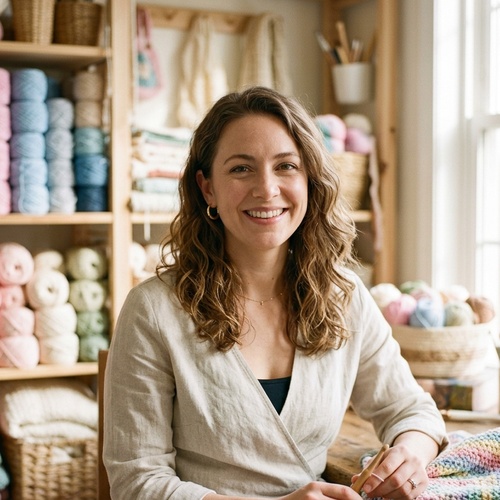
In our fiber atelier, the waffle stitch is our go-to recommendation for makers seeking high visual impact combined with a rhythmic, meditative cadence. The geometric grid is established across just a simple two-row repeat: one row featuring front post double crochet stitches that lift the vertical window frames, followed by a stabilizing counter-row that pops the horizontal crossbars forward. Because post stitches pull fabric inward and compress yarn volume, calibrating your starting foundation and hook size is essential to ensure your blanket remains supple rather than stiff as cardboard.
Terminology Disclosure: This pattern is written using standard US crochet terms and US terminology throughout.
Why The Waffle Weave Excels for Cozy Home Throws
- Maximum Thermal Air Trapping: The deep concave windowpanes create micro-air pockets that retain ambient body heat far more efficiently than standard flat single or double crochet fabrics.
- Substantial Weighted Hand-Feel: Waffle stitch uses approximately 25% to 30% more yardage than plain double crochet, giving the completed blanket a comforting, weighted blanket feel without needing added plastic poly-pellets.
- Reversible Textural Charm: While the right side displays crisp architectural waffle grids, the reverse side reveals a plush pebble-ribbed texture that looks effortlessly styled draped over linen armchairs or folded across duvet footboards.
- Snag-Resistant Durability: Unlike loose openwork lace throws, the compact post-stitch framework is exceptionally resistant to pet claws and daily family lounging. For more modern afghan inspiration, browse our curated collection of cozy crochet blanket patterns.
5 Blanket Sizes & Exact Yarn Calculations
To eliminate guesswork when selecting skeins, we have calculated the exact starting chains, stitch multiples, and finished dimensions for standard household blanket sizes. The pattern multiple is a multiple of 3 + 4 (which accounts for the base repeat plus turning chains and balancing edge stitches):
Swipe left or right to view all sizing details.
| Blanket Size | Dimensions (Inches / CM) | Starting Chain | Estimated Yardage (#5 Bulky) |
|---|---|---|---|
| Baby / Stroller | 32″ × 36″ (81 × 91 cm) | Chain 73 (23 grid repeats) | 850–920 yds (777–841 m) |
| Lapghan | 40″ × 48″ (102 × 122 cm) | Chain 91 (29 grid repeats) | 1,350–1,450 yds (1,234–1,326 m) |
| Standard Living Throw | 50″ × 60″ (127 × 152 cm) | Chain 115 (37 grid repeats) | 2,100–2,250 yds (1,920–2,057 m) |
| Twin | 65″ × 85″ (165 × 216 cm) | Chain 148 (48 grid repeats) | 3,650–3,850 yds (3,337–3,520 m) |
| Queen | 86″ × 90″ (218 × 229 cm) | Chain 196 (64 grid repeats) | 5,200–5,500 yds (4,755–5,029 m) |
| King | 104″ × 92″ (264 × 234 cm) | Chain 238 (78 grid repeats) | 6,200–6,600 yds (5,670–6,035 m) |
Detailed Stitch Counts & Starting Instructions by Blanket Size
To ensure perfect execution across all sizes, use the following starting chains and row specifications:
- Baby / Stroller: For baby blanket, chain 73 (stitch count: 71 double crochet stitches across). Work 68 total pattern rows.
- Lapghan: For lapghan, chain 91 (stitch count: 89 double crochet stitches across). Work 92 total pattern rows.
- Standard Living Throw: For throw, chain 115 (stitch count: 113 double crochet stitches across). Work 116 total pattern rows.
- Twin: For twin, chain 148 (stitch count: 146 double crochet stitches across). Work 164 total pattern rows.
- Queen: For queen, chain 196 (stitch count: 194 double crochet stitches across). Work 174 total pattern rows.
- King: For king, chain 238 (stitch count: 236 double crochet stitches across). Work 178 total pattern rows.
Studio Supplies & Hook Calibration

- Yarn Weight & Composition: Bulky / Chunky Weight (#5). Look for a premium acrylic-wool blend (such as 80% acrylic / 20% wool) that balances heat retention with lightweight loft and effortless machine washability. Heavy 100% cotton can make large afghans uncomfortably stiff; for fiber selection tips, review our yarn weight and hook conversion guide.
- Crochet Hook: 6.5 mm (US Size K/10.5) ergonomic aluminum hook. Studio Rule: Always go up 0.5mm to 1.0mm from the ball band recommendation when working waffle stitch to maintain luxurious fabric drape.
- Essential Notions: Large-eye bent-tip yarn needle, sharp tailor snips, locking stitch markers, and flexible measuring tape.
- Gauge Swatch: 11 stitches × 8 rows = 4″ × 4″ (10 × 10 cm) measured in waffle stitch pattern after light steam smoothing.
Pattern Note on Turning Chains: The turning chain does not count as a stitch throughout this entire pattern.
Step-by-Step Row Construction Walkthrough
Follow these precise instructions to establish your waffle grid rhythm. Stitches used: Chain (ch), Double Crochet (dc), Front Post Double Crochet (fpdc), and Slip Stitch (sl st).
Foundation Row: Using a 6.5mm hook, chain your desired count according to the size table above (e.g., chain 115 for standard throw). Work 1 dc into the 4th chain from the hook (the skipped 3 chains count as your first dc). Work 1 dc in each remaining chain across the entire length. Turn your work. The starting foundation chain is a multiple of 3 + 4, and after working into the 4th chain, the foundation row results in a stitch count of multiple of 3 + 2 total stitches (e.g. 113 double crochet stitches for the throw size).

Row 1 (Right Side – Waffle Ridges): Chain 2 (does not count as a stitch throughout; turn your work). Work 1 dc into the very first stitch. *Work 1 fpdc around the post of the next stitch, then work 1 dc in each of the next 2 stitches.* Repeat from * to * across until 2 stitches remain. Work 1 fpdc around the next stitch, then work 1 dc into the top of the turning chain at the very end. Turn.
Row 2 (Wrong Side – Grid Counter-Row): Chain 2 (does not count as a stitch). Work 1 dc into the very first stitch. *Work 1 dc into the top of the next stitch (which was the fpdc on the previous row), then work 1 fpdc around each of the next 2 stitches.* Repeat from * to * across until 2 stitches remain. Work 1 dc in the next stitch, then 1 dc in the final stitch. Turn.
Pattern Repeat: Repeat Rows 1 and 2 alternately until your blanket reaches the target length specified in the sizing chart, finishing on a Row 1 repeat to ensure identical edge profiles. For foundational post-stitch technique breakdowns, refer to our step-by-step waffle stitch photo tutorial.
Finishing & Weaving Ends: Fasten off, cut yarn leaving an 8-inch tail, and weave in all ends securely using a blunt tapestry needle.
Elena’s Atelier Secrets: Preventing Edge Flare & Foundation Sag
- The Non-Counting Turning Chain: Most vintage patterns count the turning chain as a double crochet, leaving large unsightly gaps along the edge. In our atelier, we work a chain 2 that does not count as a stitch, and immediately place a regular dc into the first base stitch. This creates crisp, vertical side borders that never ripple.
- Invisible Skein Transitions: Because chunky blankets require numerous yarn cakes, never knot your yarn in the middle of a row. Always change color or attach a fresh skein at the final yarn-over of the edge double crochet; follow our guide to seamless color changes for invisible joins.
- Foundation Chain Elasticity: Foundation chains have less stretch than post stitches. If your starting edge cups or pulls inward, work your initial foundation chain using a hook 1.0mm larger (7.5mm), then switch down to your 6.5mm hook for Row 1.
Living Room Styling & Architectural Drape

The pronounced geometric relief of a chunky waffle throw brings organic texture to contemporary minimalist and transitional living rooms. Fold the blanket lengthwise into a wide runner and drape it across the foot of a bed for an inviting hotel-suite aesthetic, or toss it casually over an armchair corner to showcase the contrast between the front grid and reverse ribbed pebble texture.
Laundering, Blocking & Long-Term Care for Heavy Afghans
Due to the density of the waffle weave, heavy blankets require mindful laundering to prevent stitch distortion:
- Machine Washing: Wash on gentle/delicate cycle in cool or lukewarm water (30°C / 86°F) using gentle wool-wash or mild liquid detergent. Avoid fabric softeners which can coat synthetic fibers and dull stitch definition.
- Drying Without Stretching: Never hang a soaked waffle blanket from a clothesline—the water weight will pull the grid squares into distorted rectangles. Press excess moisture out between clean bath towels, then lay flat over a folding drying rack to air dry completely.
- Gentle Steam Blocking: Hover a handheld garment steamer 1 to 2 inches above the fabric, allowing the steam to open up the waffle pockets, then smooth with your palms. For detailed guidance, read our tutorial on blocking and edge-finishing techniques.
Maker Troubleshooting: Waffle Stitch Pitfalls & Solutions
Why is my waffle blanket curving or hourglassing in the middle?
Hourglassing happens when your tension tightens as you become comfortable with the repeat. Count your stitches every 6 rows to confirm you haven’t accidentally dropped the final edge double crochet or worked two post stitches together.
Why do my front post stitches leave large holes?
Large holes occur when you pull the hook too far away from the fabric while inserting it behind the post. Keep the hook shaft close and parallel to the working row to keep the yarn loop snug around the stem.
Save This Chunky Waffle Blanket Pattern to Pinterest
Pin these high-resolution pattern guides to your favorite Pinterest crochet boards so you always have the complete sizing chart, yardage calculations, and post stitch instructions on hand for your next cozy afghan project!

